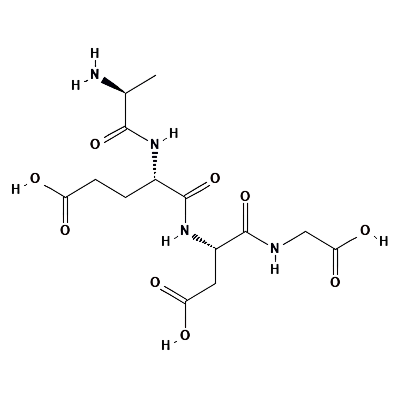
Epitalon

Epitalon is a synthetic four-amino-acid peptide modeled on a substance your pineal gland already makes. It is one of the most studied compounds in the longevity conversation, and also one of the most misunderstood. We read the evidence honestly, explain what the science actually supports, and only work with it when the data says it fits your situation.

Compliance Notice: Important status notice. Epitalon is not FDA approved for any therapeutic use. The FDA placed it on the Category 2 restricted list in September 2023, which means licensed compounding pharmacies cannot prepare it. Any use at Paragon is research-informed, under direct physician supervision, and only after a full clinical review. Epitalon is not currently listed on the WADA Prohibited List, but WADA updates its list annually and athletes should verify status before any consideration.

Cancer risk notice. Epitalon's primary proposed mechanism involves activation of telomerase, an enzyme that is also active in the majority of human cancers. No human safety studies have been conducted in people with active, suspected, or previously treated malignancy. If you fall into any of those categories, this protocol is not appropriate for you.

Overview

Your pineal gland, the small structure deep in your brain that governs sleep and circadian rhythm, makes its own peptides. Epitalon is a synthetic version of one of them. In the lab, it has been shown to activate telomerase (the enzyme that lengthens telomeres, the protective caps on your chromosomes), restore melatonin production in aged animals, and modulate the genes that keep your body clock running on time.

That is a lot of claims in one sentence, so here is where we draw the line. Almost all of that evidence comes from cell studies and animal models. Only two human trials exist. One in patients with retinitis pigmentosa (a degenerative eye condition), one in women investigating sleep and circadian rhythm. Both showed benefit and no serious adverse events. Neither is a Phase 1 safety trial by modern regulatory standards.

So when you hear Epitalon described as an anti-aging peptide, understand what that means. There is a real mechanism, real preclinical data, and real human signal. There is not yet a large randomized trial telling us exactly who benefits, at what dose, for how long, and with what long-term risk profile. We tell you all of that before you ever receive a prescription.

CHEMICAL STRUCTURE & PROPERTIES

  • Molecular Formula: C₁₄H₂₂N₄O₉
  • Molecular Weight: 390.34 Daltons
  • Sequence: Ala-Glu-Asp-Gly (tetrapeptide)
  • Origin: Synthetic analog of pineal epithalamin
  • CAS Number: 307297-39-8
  • Half-life: Short; administered in cycles rather than continuously
  • Stability: Lyophilised powder; store at 2°C to 8°C before reconstitution
  • Route: Subcutaneous injection

Mechanism of Action

Epitalon exerts its effects through multiple interconnected mechanisms rooted in pineal and telomere biology:

Telomerase Activation

Epitalon's most studied mechanism involves the enzyme that protects chromosomal integrity:
  • Epitalon activates telomerase, the enzyme responsible for lengthening telomeres
  • Telomeres are the protective caps on chromosomes that shorten with each cell division
  • In laboratory studies using stimulated human lymphocytes, telomere elongation has been observed
  • Telomerase activation also underlies why this compound requires careful oncologic screening before use

Melatonin and Circadian Regulation

Epitalon's pineal origin connects it directly to sleep and circadian biology:
  • Epitalon has been shown to restore melatonin production in aged animal models
  • It modulates expression of circadian genes that govern the body's internal clock
  • One human trial in women demonstrated measurable improvements in circadian rhythm markers
  • Sleep quality is among the most consistently reported subjective changes in clinical observation

Gene Expression and Cellular Aging

Epitalon influences the genetic pathways associated with cellular aging:
  • Epitalon has been shown to modulate expression of genes involved in cellular aging and longevity
  • Preclinical studies demonstrate effects on oxidative stress pathways and antioxidant enzyme activity
  • Retinal protective effects have been observed in both animal models and one human trial
  • Lifespan extension has been shown in mice, rats, and Drosophila across multiple studies

Pineal Axis and Neuroendocrine Effects

As a pineal-derived peptide analog, Epitalon interacts with the neuroendocrine system:
  • The pineal gland governs sleep, circadian rhythm, and seasonal biological cycles
  • Epitalon is modeled on epithalamin, a natural pineal peptide preparation
  • Neuroendocrine effects extend to immune modulation in preclinical models
  • The breadth of these effects reflects the pineal gland's broad regulatory role - and the importance of careful patient selection

Clinical Applications and

Research Evidence

Longevity and Cellular Aging

Primary Investigation: Over twenty-five years of published studies have examined Epitalon's effects on telomerase activity, telomere length, and lifespan in animal models.

  • Telomerase activation in human cells has been demonstrated in laboratory studies
  • Telomere elongation in stimulated lymphocytes has been observed across multiple studies
  • Lifespan extension in mice, rats, and Drosophila has been shown consistently in preclinical research
  • The human data for lifespan outcomes does not yet exist - we tell you that directly

Mechanism: Epitalon activates telomerase, the enzyme that lengthens telomeres - the protective caps on chromosomes that shorten with age and cell division.

Sleep and Circadian Health

Emerging Applications: One human trial in women investigated Epitalon's effects on sleep and circadian rhythm, showing measurable improvement with no serious adverse events.

  • Circadian gene expression was modulated in human participants in published research
  • Melatonin restoration has been demonstrated in aged animal models
  • Sleep quality is among the most consistently reported changes in clinical observation
  • This application is considered for patients with age-related sleep disruption that has not responded to lifestyle and hormone-conscious interventions

Mechanism: Epitalon restores melatonin production and modulates circadian gene expression, addressing age-related disruption of the pineal gland's regulatory function.

Retinal and Neurological Health

Research Potential: One human trial in patients with retinitis pigmentosa demonstrated measurable benefit and no serious adverse events.

  • Retinal protective effects have been observed in both animal models and the published human trial
  • Visual function improvements were documented in the retinitis pigmentosa study
  • Neuroprotective effects have been observed in preclinical models
  • Independent replication of these findings outside the original research group remains limited

Mechanism: Epitalon's effects on gene expression and oxidative stress pathways appear to extend to retinal and neurological tissue, though the precise mechanisms in humans are not fully characterized.

Safety Considerations

Clinical Safety Data

In published human trials, Epitalon has been well tolerated. No serious adverse events were reported in either trial.

  • No serious adverse events in the retinitis pigmentosa trial
  • No serious adverse events in the circadian rhythm trial
  • Across preclinical animal studies, no hepatotoxicity or nephrotoxicity has been shown
  • Several mouse studies show reduced tumor incidence - a reassuring preclinical signal that does not replace formal safety studies

Monitoring and Response

We screen carefully before prescribing and monitor closely during. That is how the Paragon Method works.

  • Sleep quality, energy, recovery, and mood are tracked alongside relevant labs
  • Labs are re-checked on a schedule that matches your protocol
  • We are careful about claiming outcomes the evidence cannot support
  • If at any point your response is not what we expect, we adjust or stop

Theoretical Concerns

Potential considerations include:

  • Telomerase activation is also a feature of the majority of human cancers - this is the primary safety consideration
  • Formal genotoxicity and carcinogenicity studies have not been conducted in humans
  • Drug interaction studies have not been done
  • Long-term repeated-dose safety is not yet characterized; we discuss this with you before you begin

Contraindications

We do not use Epitalon in:

  • Patients with active or previously treated cancer, or a personal or family history that raises that concern
  • Pregnancy, planned pregnancy, or breastfeeding
  • Patients with a known gain-of-function mutation in a pathway Epitalon modulates
  • Anyone whose case has not been reviewed by a qualified clinician familiar with their full history

Regulatory Status and

Legal Considerations

Global Regulatory Status

No Approved Medical Use:
  • Epitalon is not FDA approved for any therapeutic indication
  • The FDA placed Epitalon on the Category 2 restricted list in September 2023
  • Licensed compounding pharmacies in the United States cannot prepare it under that classification

WADA Anti-Doping Status

Current Classification:
  • Epitalon is not currently listed on the WADA Prohibited List
  • WADA updates its prohibited list annually and category definitions can evolve
  • If you compete in a WADA-regulated sport, verify current status at wada-ama.org before any consideration
  • Talk to your sport governing body before considering any compound in this category

Legal Availability

Research and Clinical Use:
  • Research use of Epitalon is legal in the United States
  • It is not approved as a therapeutic, which is a different question from legality
  • Any use at Paragon is research-informed and under direct physician supervision
  • Source, quality, and chain of custody are discussed during your consultation

Administration and Dosing

Considerations

How It Is Administered:

  • Epitalon is typically administered by subcutaneous injection in cycles rather than continuously
  • Specific dose, cycle length, and frequency are determined by your clinician based on your labs, goals, and the published research most relevant to your situation
  • We do not publish a standard dose on this page - the research literature reports a wide range, and a number appropriate for one patient is not appropriate for another
  • With a compound that activates telomerase, self-prescribing is the wrong move

Clinical Considerations:

  • Your consultation includes a written protocol, expectations for what you may or may not feel, and a clear plan for what we measure and when
  • Professional oversight is required throughout the protocol period
  • For longevity work we look at markers you may not have run before, depending on your goals
  • Response varies significantly between individuals; your clinician will set expectations specific to your plan

How Soon Will I Feel a Difference:

  • If the protocol is the right fit, the most commonly reported changes are in sleep and recovery over the first cycle
  • Lab-level changes have their own timeline
  • Longevity outcomes, if they exist in humans, are by definition long-term and not something you will feel in a month
  • We will set specific expectations for you based on why you are pursuing it

Measurable Outcomes:

  • Sleep quality, energy, recovery, and mood are tracked alongside relevant labs on a schedule that matches your protocol
  • Longer telomeres on a commercial test is not the same thing as a longer healthspan - we will tell you that directly
  • We are careful about claiming outcomes the evidence cannot support
  • Longevity is not a peptide. It is sleep, training, nutrition, stress management, relationships, and purpose, with targeted tools layered in where they fit

Conclusion

See whether Epitalon fits your plan.

At Paragon, every longevity protocol begins with a deliberate process designed to uncover the full story of your health. We start with a comprehensive intake, a careful review of your current labs, and a clear, open conversation about your goals—not just what you hope to achieve in the short term, but the long-term outcomes that matter most to you. From there, we examine the available evidence and the tools that may support your journey. Epitalon is one such tool, but it is never assumed. If it aligns with your biology, your objectives, and the scientific foundation of your plan, we will recommend it with confidence. If it does not, we will be equally transparent, guiding you toward alternatives that better fit your physiology and your vision for longevity.

Our role is not to promote a single compound, but to help you navigate the complexity of aging with clarity, honesty, and precision. Every recommendation is grounded in data, tailored to your unique profile, and focused on building a protocol that supports resilience, vitality, and the future you want to create.

Epitalon SCIENTIFIC

DATA SUMMARY

Parameter
Value
Peptide Structure
Tetrapeptide: Ala-Glu-Asp-Gly (AEDG), α-peptide bonds
Molecular Weight
390.35 Da (free base); C₁₄H₂₂N₄O₉
CAS Number
307297-39-8 (free base); 307297-40-1 (acetate salt)
Isoelectric Point (pI)
~3.10 (net charge −2 at physiological pH 7.4)
Origin
Synthesized to match amino acid composition of Epithalamin (bovine pineal gland extract, 1973); first detected in human pineal gland polypeptide complex in 2017
Chemical Stability
Lyophilized powder stable ≥4 years at −20°C; aqueous solutions unstable beyond 24h at RT; N-terminal Glu can cyclize to pyroglutamate on degradation
Bioavailability / Routes
Subcutaneous injection primary research route; oral administration demonstrated effective in rodents (100 µg/rat); sublingual used in human circadian trial (0.5 mg/day); described as low-hydrolysable peptide
Salt Forms
Free base; acetate (most common commercial form); trifluoroacetate (TFA, residual from HPLC purification)
Low-Energy Conformation
−294.43 kcal/mol; 2 intramolecular salt bridges (Ala N-terminus ↔ Glu/Asp side-chain carboxyls) and 4 intramolecular H-bonds stabilize structure; highly restricted conformational freedom (AMBER MD, 300 K)
Potency vs. Parent Extract
~500-fold more potent than Epithalamin at equivalent doses; effective in Drosophila at 16,000–80,000,000× lower concentration than melatonin
Pathway
Effect
Telomerase Activation
Induces hTERT subunit expression and telomerase enzymatic activity; extends telomere length ~33.3% in PHA-stimulated human lymphocytes; enabled human fetal fibroblasts to divide past passage 44 (vs. Hayflick limit at passage 34); confirmed independently in 2025 (Al-Dulaimi et al., Brunel University London) showing 12-fold hTERT mRNA increase in breast cancer lines and ALT activation
Melatonin Synthesis Regulation
Upregulates AANAT (arylalkylamine N-acetyltransferase) and pCREB (phospho-CREB) in pinealocytes, increasing melatonin synthesis; restored nocturnal melatonin in aged rhesus monkeys; increased urinary 6-sulfatoxymelatonin ~1.7× vs. placebo in human clinical trial; contradictory null result exists in isolated rat pineal perifusion model (Djeridane et al. 2003)
Epigenetic / DNA Binding
Penetrates cell membrane and nucleus; binds ATTTG and ATTTC DNA sequences (present in telomerase gene promoter) via hydrophobic interactions and H-bonds; preferentially binds linker histones H1/6 (−64.51 kcal/mol) and H1/3 (−56.49 kcal/mol) at their DNA-interacting sites; inhibits cytosine methylation at CAG sequences; proposed epigenetic mechanism of gene regulation
IL-2 mRNA Modulation
Elevated IL-2 mRNA in CBA mouse splenocytes within 5 hours; enhanced IL-2 mRNA synthesis in rat hypothalamic nuclei after IM (24h onset) and intranasal (1.5h onset) administration
Antioxidant Mechanisms
Upregulates SOD2, catalase (CAT), and HMOX1 expression; reduces intracellular ROS; inhibits lipid peroxidation in brain and liver; activates Keap1/Nrf2 antioxidant pathway; ~1,000× more potent antioxidant than Epithalamin at equivalent doses
STAT1 / ERK1/2 Signaling
Promotes STAT1 phosphorylation via receptor-independent mechanism in THP-1 monocytic cells (no IFN-α/IFN-R involvement); additive ERK1/2 tyrosine phosphorylation with LPS co-treatment; suppresses phospho-STAT3 with prolonged treatment
Transporter Interactions (in silico)
Molecular docking scores: LAT1 ICM-Score −32.93; LAT2 ICM-Score −23.62; PEPT1 ICM-Score −18.00 (comparable to established PEPT1 inhibitors). Proposed mechanism: AEDG may inhibit LAT1/LAT2 amino acid transporters upregulated in tumors. All data in silico only — no experimental transport validation published.
Tissue Selectivity
Selectively protects aged pineal cells but not thymocytes from aging; no effect on hepatocyte protein synthesis; described as a tissue-specific peptide acting primarily on subcortical/pineal structures
Application
Model
Dose / Route
Outcome
Lifespan Extension
CBA female mice (n=50+/group)
0.1 µg/mouse SC, 5 consecutive days/month from age 6 months
4.0-fold more mice reached 23 months (p<0.01); oldest control died at 24 months; oldest treated mouse lived 34 months; reduced tumor formation (p<0.05)
Lifespan Extension
SHR female mice
1 µg/mouse SC, 5 days/month
Maximum lifespan +12.3% (p<0.01); last 10% survivors' lifespan +13.3%; chromosomal aberrations −17.1% (p<0.05); leukemia inhibited 6-fold (p<0.001)
Anti-Cancer
HER-2/neu FVB/N transgenic mice
1 µg/mouse SC, 5×/week until natural death
Reduced mammary adenocarcinomas (p<0.05); 3.7-fold lower HER-2/neu mRNA; smaller tumors; lung metastasis reduced; lifespan extended (p<0.05)
Retinitis Pigmentosa
Campbell rats (hereditary pigmentary dystrophy)
1 µg/rat parabulbar, from birth × 72 days
All retinal layers preserved at day 41 (vs. complete destruction in controls); retinal functional activity prolonged 43.9%; 2-fold extension with gestational + postnatal IP protocol
Lifespan / Antioxidant
Drosophila melanogaster (Canton-S wild strain)
0.00001% (w/w) in larval nutritional medium
Lifespan +11–16% (both sexes); reduced lipid peroxidation products; inhibited ROS in mitochondria and cytosol; effect achieved at 16,000-fold lower concentration than melatonin
Neuroendocrine Regulation
Aged Rhesus monkeys (Macaca mulatta, 20–26 years)
10 µg/animal/day IM, 7–10 days
Restored nocturnal melatonin peaks (p<0.001 vs. control old); normalized cortisol diurnal pattern; improved glucose tolerance exclusively in aged monkeys; values reverted after 1-month washout
Oocyte Protection
Post-ovulatory aging mouse oocytes (Yue et al. 2022)
0.1 mM in vitro
Reduced ROS, DNA damage (γH2AX), spindle defects, and apoptosis; improved mitochondrial membrane potential and mtDNA copy number; reduced post-ovulatory aging markers
Reproductive Biology
Bovine cumulus cells and oocytes (Ullah et al. 2025)
Various concentrations in vitro
Activated telomerase (TERT confirmed by ELISA + Western blot); enhanced oocyte maturation rate (p<0.05); improved post-thawed blastocyst hatching and implantation potential
Kidney Protection
Rhabdomyolysis and cisplatin-induced AKI (Wistar rats)
7 µg/kg IM or IP, 7 days
Normalized diuresis, creatinine, GFR, and sodium resorption; increased catalase and glutathione peroxidase; restored renal function post-cisplatin
Oral Efficacy / Gut
Aged albino rats
100 µg/rat oral, 1 month
Passive glucose transport ↑2.2-fold (p<0.05); active glucose transport ↑6–8-fold in proximal/medial small intestine; enhanced intestinal enzyme activities (invertase, maltase, dipeptidase)
Study Type
Population
Results
Limitations
Retinitis Pigmentosa Trial
162 patients, age 18–72 years (St. Petersburg Institute of Bioregulation and Gerontology)
5.0 µg/eye parabulbar × 10 days; visual acuity +0.15–0.20 average; 64.8% had visual field broadened 90–120°; absolute scotomas reduced/resolved; positive effect in 90% of patients; no side effects reported
Single-center; Khavinson group only; limited randomization/blinding detail; no independent replication
Circadian Rhythm / Melatonin Trial
75 women with accelerated pineal aging (St. Petersburg Institute)
Sublingual 0.5 mg/day × 20 days; urinary 6-sulfatoxymelatonin ↑1.7× vs. placebo; Cry2 expression doubled (p<0.05); Csnk1e expression −2.1× (p<0.05); Clock gene normalized; concluded geroprotective via melatonin pathway restoration
Single-center; placebo and control cohorts included but blinding detail limited; Khavinson group only; no independent replication
General Human Tolerability
Combined n=237 across both trials; additional Epithalamin parent-compound trials (n=336, up to 3 years)
No adverse events in any published Epitalon clinical study; no serious adverse events in long-term Epithalamin trials
No formal Phase 1 dose-escalation safety trial; no ICH-standard toxicology; no drug interaction studies; all data from single research group
Overall Clinical Evidence Level
N/A
Two completed studies (n=237 total), both from a single institution. Preclinical evidence base spans 50+ published studies across multiple species. Mechanistic plausibility established for telomerase and epigenetic pathways.
No independent clinical replication; no regulatory-grade Phase 1/2/3 trials; no published pharmacokinetic data (Cmax, Tmax, AUC, t½) in any species; comprehensive clinical trials required before any therapeutic conclusion can be drawn
Parameter
Finding
Acute Tolerability
No adverse events in 162-patient RP trial (parabulbar injection, 10 days) or 75-patient circadian trial (sublingual, 20 days); no serious adverse events in long-term Epithalamin trials (n=336, up to 3 years)
Genotoxicity
No genotoxic effects demonstrated in published studies; antimutagenic — reduced chromosomal aberrations 17.1% in SHR mice and protected human lymphocytes from heavy metal-induced chromatin damage; formal ICH-standard genotoxicity testing (Ames test, micronucleus assay) has not been conducted
Carcinogenicity
All animal studies show anti-carcinogenic effects; no study has shown increased tumor incidence; theoretical concern: telomerase activation could promote cancer cell proliferation — use with active malignancy not studied
Nephrotoxicity
Not nephrotoxic; demonstrated nephroprotective effects in both rhabdomyolysis and cisplatin-induced acute kidney failure models
Immune Function
Modulates immune cell differentiation (↑CD20+ B-cell precursors, no effect on mature T cells); no broad immunosuppression; immunogenicity: no antibody formation in published studies; formal immunogenicity testing per ICH standards not conducted (FDA's primary stated concern)
Body Weight / Physical Activity
No significant changes in body weight or food consumption in long-term mouse studies; transient physical activity decrease in first 3 months of CBA mouse study, normalizing thereafter
Drug Interactions
No known drug interactions; no published drug-drug or food-drug interaction studies; explicitly identified as a critical gap by Araj et al. 2025 review
Long-term Safety
No formal long-term human safety data; no Phase 1 safety trial in any jurisdiction; 2025 IJMS review (Araj et al.) states: "information regarding critical issues about this peptide's safety is missing" — additional studies on short- and long-term toxicity, genotoxic activity, and carcinogenic potential are essential before regulatory approval
Special Populations
Pediatric, elderly, and immunocompromised populations not studied; pregnant women not studied (rabbit tissue distribution data available — rapid integration into maternal and fetal tissues confirmed)
Route
Application
Notes
Subcutaneous Injection
Lifespan extension, anti-cancer, geroprotection, systemic effects
Primary route used in all major preclinical studies; most common clinical research route; requires reconstitution from lyophilized powder with sterile/bacteriostatic water
Intramuscular Injection
Neuroendocrine effects, primate studies, kidney protection
Used in rhesus monkey and rat hypothalamic studies; IL-2 onset 24h post-IM; kidney protection (7 µg/kg × 7 days)
Intraperitoneal Injection
Radiation protection, gestational retinal protection
Reduces splenic cell apoptosis post-γ-irradiation 2.12-fold; superior retinal protection when given during pregnancy
Parabulbar Injection
Retinitis pigmentosa
5.0 µg/eye × 10 days (clinical trial, 162 patients); 0.2–1 µg/rat in Campbell rat models; direct periocular delivery
Sublingual
Circadian rhythm / melatonin restoration
0.5 mg/day × 20 days used in 75-woman clinical trial; good mucosal absorption expected for small hydrophilic peptide
Intranasal
CNS and hypothalamic effects
IL-2 mRNA onset at 1.5h (vs 24h for IM); enhanced neocortical neuronal activity 5–7 min post-administration; C-Fos upregulation in pineal gland under stress
Oral
Gut enzyme modulation, glucose transport
100 µg/rat for 1 month produced significant biological effects; described as "low-hydrolysable"; partially hydrolyzed by L-aminopeptidase; dendrimer complexes (in silico only) proposed for enhanced oral delivery
Modified Analogue
Improved stability
N-Acetyl Epithalon Amidate (N-terminal acetylation + C-terminal amidation, MW 446.45 Da); improved proteolytic stability; commercially available
Authority
Classification
Status
FDA (USA)
Category 2 — "Significant Safety Risks" (503A Bulk Drug Substances List)
Not approved for any therapeutic indication; placed on Category 2 list September 2023, prohibiting compounding pharmacy use under 503A/503B rules.
WADA
Not specifically named on Prohibited List
Not explicitly listed on the 2025 WADA Prohibited List; exists in a gray zone — could potentially fall under broader prohibited categories (S2: Peptide Hormones, Growth Factors) due to hormone-regulating potential; athletes should exercise caution
Russia
Parent extract (Epithalamin) approved; Epitalon investigational
Epithalamin approved clinically since 1990 for neuroendocrine and geroprotective indications; Epitalon itself remains research/investigational; primary research conducted at St. Petersburg Institute of Bioregulation and Gerontology
EU / UK
Unapproved / Research use only
Not approved by EMA or MHRA; available as unregulated research chemical only
Australia (TGA)
Unapproved substance
Cannot be legally prescribed or sold for clinical use without TGA authorization
Research Use
Investigational compound
Available as unregulated research-grade peptide from research chemical suppliers (not pharmaceutical grade); compounding access currently restricted in the US pending formal FDA reclassification
Patent Status
Russian Federation Patents held by Khavinson
RF Patent No. 2161501 (2001); also RF Patents 2157233 and 2155063 (2000); synthesis patented in Russia; no active US composition-of-matter patent known
Pharmaceutical Development
Preclinical / No completed regulatory-grade human trials
No Phase 1 dose-escalation safety trial in any jurisdiction; no completed Phase 2/3 efficacy trials; IBD, aging, and ophthalmology remain potential focus areas; comprehensive regulatory-standard clinical program has not been initiated

Disclaimer: This information is provided for educational purposes only and does not constitute medical advice. Epitalon is not FDA approved for any therapeutic indication and is classified as a Category 2 restricted substance, meaning it cannot be prepared by licensed US compounding pharmacies. Any use at Paragon is research-informed and under direct physician supervision. Patients with active, previously treated, or suspected malignancy are not candidates. Patients and researchers should consult with a qualified clinician and ensure regulatory compliance before considering any use of Epitalon.