Weight Loss Injections in Atlanta: How GLP-1 Medications Work
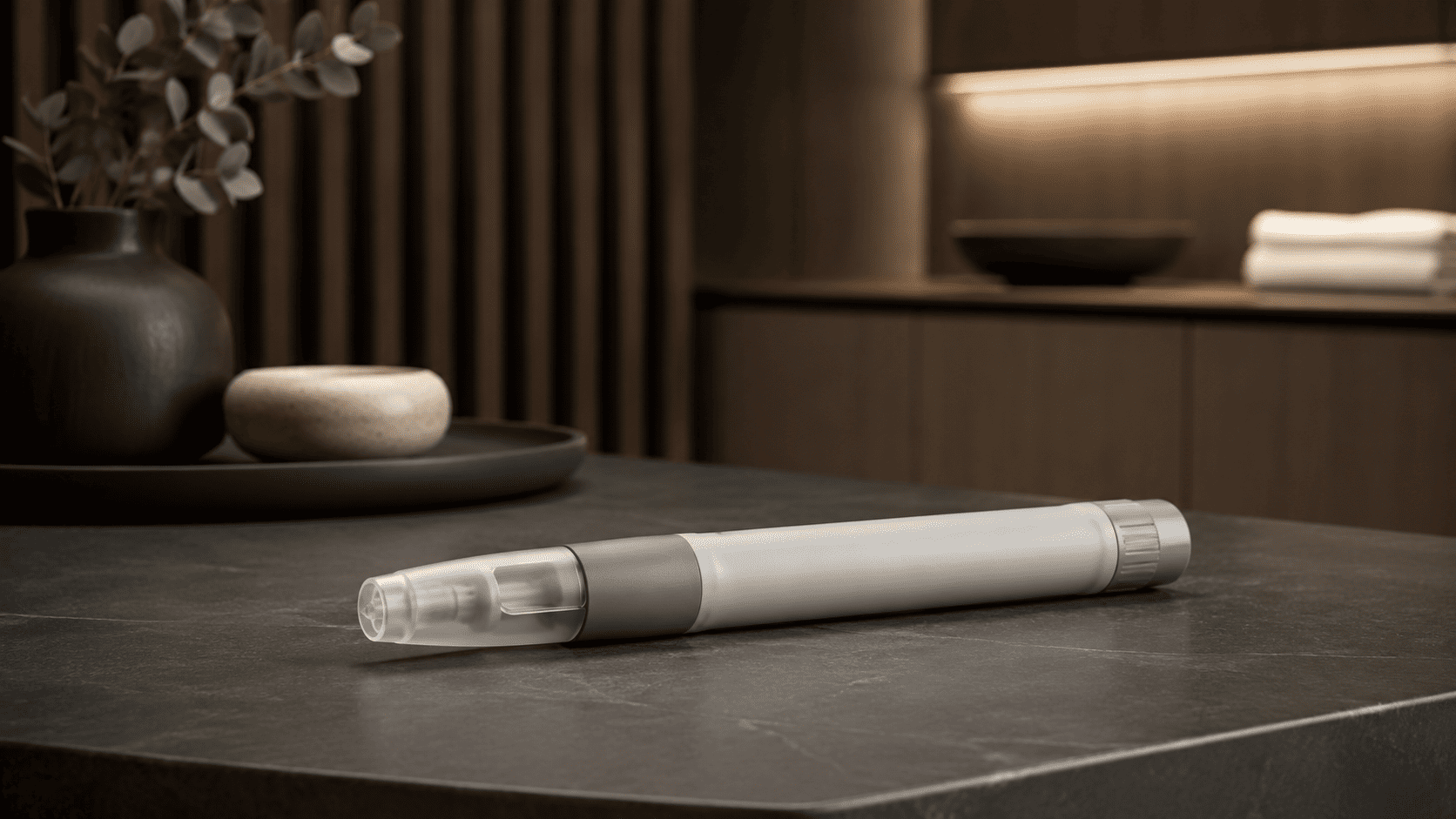
This guide explains how these medications work and what patients should realistically expect from treatment.
At Paragon Sports Medicine, you should understand your options before you choose any of them. Below: what GLP-1 medications are, what the weekly injection does, who they suit, and what a medically supervised plan involves.
What Are GLP-1 Weight Loss Injections?
Most weight loss injections belong to a family of medications called GLP-1 receptor agonists. They work with glucagon like peptide 1, a gut hormone your body releases after eating, which signals fullness and helps regulate appetite.
These medications make that signal last longer and work more consistently. Given as a once weekly injection, they improve satiety and reduce preoccupation with eating for many patients. They are part of medical weight loss in Atlanta, prescribed and monitored rather than used on their own.
How the Weekly Injection Works
The injection is small and given under the skin, typically once a week. From there the medication supports several connected processes: improved satiety signaling, delayed gastric emptying so meals feel satisfying longer, and improved glycemic regulation.
The measurable results are improved satiety, decreased caloric intake, and better adherence to a nutrition plan. Combined with nutrition and movement, that is what supports weight loss over time, and it is why these medications work as part of a plan rather than as a standalone fix.
Doses are escalated gradually to improve tolerability. Not every patient reaches the highest dose, and reaching it is not the goal.
Common Options: Semaglutide and Tirzepatide
Semaglutide is the medication behind Ozempic and Wegovy, acting on the GLP-1 pathway. If you are searching for Ozempic in Atlanta, this is the underlying medication. See our page on semaglutide in Atlanta.
Tirzepatide, behind Mounjaro and Zepbound, acts on the GLP-1 pathway and also on GIP. Current head to head studies demonstrate greater average weight reduction with tirzepatide, although both are highly effective in appropriately selected patients. See our page on tirzepatide in Atlanta.
The right medication is determined after a comprehensive evaluation, not by choosing the newest or strongest option.
Individualized, Lower Dosing
We also individualize the dose to the patient. Most of the people we treat are not obese or diabetic. More often they are overweight or carrying a stubborn 10 to 20 pounds connected to hormone changes, perimenopause or menopause, or early insulin resistance.
For patients like these, a lower, carefully adjusted dose, sometimes called microdosing, is frequently all that is needed, and we titrate to your response rather than to a target number. Prescribing outside the approved labeling, including doses below the labeled range or use in patients who do not meet the labeled criteria, is off-label use. Patients who do meet the criteria for obesity or type 2 diabetes can often obtain these medications through insurance with their primary care provider.
Who Is Not a Candidate
Screening matters, and it comes before prescribing.
These medications are not appropriate in pregnancy or when pregnancy is planned. They are not appropriate for patients with a personal or family history of medullary thyroid carcinoma or MEN2. Severe gastroparesis is a contraindication. A history of pancreatitis requires individual evaluation.
Fat Loss, Not Just Weight Loss
Our goal is fat loss with preservation of lean muscle mass.
That means resistance training, adequate protein intake, and body composition monitoring through treatment rather than relying on the scale. As a sports medicine practice, we care what you are made of at the end, not only what you weigh.
Improvements in mobility, joint pain, and the ability to train are often what patients actually notice first, and they matter more than the number.
Medication Is One Tool
Long term success depends on nutrition, exercise, sleep, behavioral change, and ongoing follow up. The injection supports those things. It does not replace them.
Because obesity is a chronic condition, we discuss maintenance planning from the beginning rather than after weight loss has occurred.
What to Expect at Your Appointment
We start with a thorough history: your health, chronic conditions, family history, prior weight loss strategies, exercise habits, nutritional patterns, a medication review, body composition, and screening for secondary contributors to obesity.
We do not run labs on every patient by default, and baseline evaluation is appropriate for many patients depending on age, medications, and existing conditions.
Bring a list of your current medications and any questions. If you begin treatment, expect regular follow up to review how you feel, how appetite and energy are responding, what body composition is doing, and whether anything needs adjusting.
Safety
The most common side effects are digestive: nausea, constipation, vomiting. Usually mild to moderate, and they often ease over time.
Less common but more serious considerations include gallbladder disease, delayed gastric emptying, and rarely pancreatitis. Individual risk assessment is part of your evaluation.
Treatment response varies considerably between patients, and medication adjustments are individualized. Weight loss care at Paragon is led by Jordan Carney, CRNP.
Frequently asked questions
How do weight loss injections work?
Most are GLP-1 receptor agonists that work with a natural gut hormone to improve satiety signaling, delay gastric emptying, and support glycemic regulation. Given weekly, they reduce caloric intake and improve adherence. Paired with nutrition and resistance training, that supports fat loss over time.
Is Ozempic available in Atlanta?
Ozempic is a brand name for semaglutide. At Paragon, a comprehensive evaluation determines whether semaglutide or another option is appropriate for you. Everything is prescribed and monitored as part of a supported plan.
How often do I take a weight loss injection?
The GLP-1 medications used most often are given once weekly under the skin. Doses are escalated gradually to improve tolerability, and not every patient reaches the highest dose.
Do weight loss injections have side effects?
The most common are digestive, including nausea, constipation, and vomiting, usually mild to moderate and often easing over time. Less common considerations include gallbladder disease, delayed gastric emptying, and rarely pancreatitis. Individual risk assessment is part of your evaluation.
How do I know if I am a candidate?
It begins with a comprehensive evaluation. These medications are not appropriate in pregnancy, with a personal or family history of medullary thyroid carcinoma or MEN2, or with severe gastroparesis, and a history of pancreatitis requires individual discussion.
Let us help you understand your options
If you would like to discuss whether a weight loss injection is appropriate for you, schedule a consultation with our team, or call 470 270 8978.
This article is for educational purposes and is not medical advice. Individual results vary. Please consult your provider at Paragon Sports Medicine about what is appropriate for you.
.avif)